






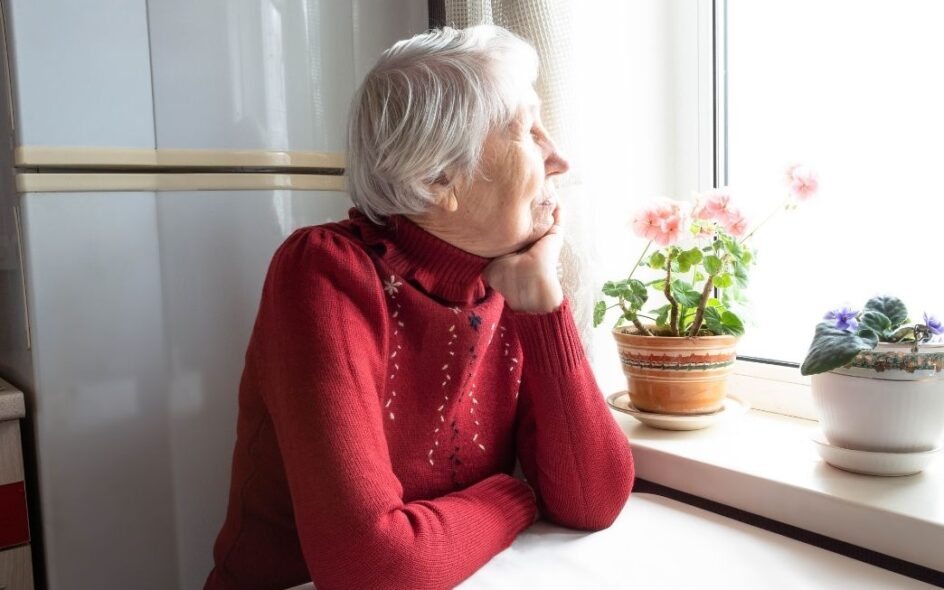
Loneliness can affect anyone at any age, but loneliness in older people can be influenced by a number of factors, including bereavement, ill health or reduced access to local services and transport.
As the days get shorter and the weather gets colder, many of us naturally spend more time indoors. For some older people, however, the winter months can mean fewer opportunities to get out, see other people and enjoy regular social interaction.
Age UK also highlights an important distinction: someone can be socially isolated without feeling lonely, while another person can feel lonely despite having people around them.
Understanding loneliness in older people and knowing how to offer support can make a real difference, particularly during the colder months.
Why Can Loneliness in Older People Become More Difficult During Winter?
Winter can make some of the challenges associated with loneliness in older people more noticeable.
Cold temperatures, darker evenings and poor weather can make getting out and about less appealing or more difficult, particularly for someone who already has mobility or health concerns. For an older person who lives alone, this can mean spending longer periods at home without seeing other people.
Bereavement, poor health and difficulties accessing transport or local services can also contribute to social isolation in later life.
That is why keeping in touch can be particularly valuable.
Signs of Loneliness in Older People
Loneliness will look different for everyone, and someone living alone isn’t necessarily lonely.
However, if you are worried about an older relative, friend or neighbour, simply taking the time to check in and have a conversation can be a good place to start.
You might also notice that someone:
- Has become less interested in activities they previously enjoyed
- Is spending considerably more time at home
- Seems withdrawn or unusually quiet
- Has stopped keeping in touch with friends or family
- Talks about feeling alone or disconnected
If you’re concerned about a loved one, a simple conversation can be a good place to start. NHS guidance notes that even a friendly chat or telephone call can make a difference when tackling loneliness in older people.

How Can You Help With Loneliness in Older People?
There isn’t one solution that will suit everybody. However, there are simple ways we can help older people feel more connected and supported.
1. Make Time for Regular Contact
Something as simple as a phone call, cup of tea or regular visit gives someone an opportunity to talk and connect.
Consistency can be particularly valuable. Rather than waiting for a special occasion, consider making a quick phone call or visit part of your weekly routine.
2. Encourage Activities They Enjoy
Having something enjoyable to look forward to can create opportunities for connection and may help to reduce loneliness in older people.
The NHS suggests joining groups or classes based around things someone enjoys as one possible way of addressing loneliness.
This could mean exploring local community groups, clubs, faith groups or activities based around an existing hobby or interest. What matters is finding something that suits the individual rather than pressuring them into being more social.
3. Help Them Stay Connected With Family and Friends
If family members live further away, phone and video calls can help people keep in touch.
For someone who isn’t confident using technology, spending a little time showing them how to make a video call or send a message can open up another way of staying connected.
And don’t underestimate ordinary conversation. Asking about someone’s day, sharing family news or simply listening can all help maintain meaningful connections.
4. Offer Practical Support
Sometimes the barriers to socialising are practical rather than emotional.
The NHS suggests offering help with things such as shopping, collecting prescriptions or providing transport to activities and appointments as ways of supporting an older person who may be isolated.
A little practical help could make it easier for someone to continue doing the things that keep them connected to their community.
5. Look for Local Support
There are also organisations and services available to help tackle loneliness in older people.
Age UK, for example, provides information about local activities as well as telephone friendship services, while NHS guidance recommends speaking to a GP about social prescribing, which may help connect someone with suitable activities and support locally.

The Importance of Companionship in Tackling Loneliness in Older People
For many older people, remaining independent at home is incredibly important. But independence doesn’t have to mean doing everything alone.
Regular companionship and social interaction can be an important part of someone’s overall wellbeing, whether that comes from family, friends, neighbours, community groups or additional support at home.
If you have an older relative, friend or neighbour, taking a little time to check in this winter could mean more than you realise. Small moments of companionship and connection can play an important part in reducing loneliness in older people.
Sometimes, a conversation is a very good place to start.
To find out how we can help your clients experiencing loneliness this winter, click here.
See Also






Our partners